
Mobile Gaming & Accessibility
Inclusive Gaming: A Study of Mobile Accessibility
Mobile gaming has surged in popularity globally, attracting billions of players across diverse demographics and generating substantial revenue growth, surpassing traditional gaming platforms.
Technological advancements in mobile devices continually enhance gaming experiences, emphasizing social connectivity through multiplayer features and in-game communities.
This collective impact solidifies mobile gaming as a dominant force within the gaming industry, appealing to players of all ages worldwide, and AbleGamers UXR dove into the world of mobile gaming accessibility to understand the gaps and the things mobile developers are doing well!

Overview
Mobile games have become an important part of the gaming industry, and in terms of price and device, they are the product of the masses. However, mobile games have not faced the same spotlight of accessibility that traditional video games have.
Considering the flexibility of the medium and the popularity and prosperity of modern phones, we wanted to answer this question: are mobile games considered, as they are now, accessible?
We took a dive into the world of designing for the mobile platform, looking into the inherent accessibility of this platform and what developers are doing that either make or break the “out of the box” expectations of the mobile gaming experience for disabled players.
This includes:
- What about mobile games IS accessible?
- What are mobile games doing WELL?
- What are mobile games MISSING?
And more!
Understanding the Audience
A few perspectives we took into account were the general statistics of smartphone populations.
This means almost all disabled adults in the US have a smartphone.

Regularly being at minimum once a week, but typically more frequently.

Mobile gamers don’t just enjoy games in isolation; they engage with a variety of game genres and experiences.
From this populace, we recruited players to understand their specific struggles and victories with mobile gaming, what keeps them coming back and what drives them away.
Our Approach
After surveying 144 individuals, we selected diverse groups to interview with us and help us understand their perspective on mobile gaming. The inclusion criteria we followed had requirements such as:
Understanding Mobile Gamers:
- History of playing mobile games
- Having played a mobile title within the last week/regularly
- Having played at minimum 1hr per week
Study Specs:
Of the defined populace from our quantitative survey, we invited a select number of people to speak with us about the pros and cons of mobile gaming. These players identified as having a number of disabilities, and identified as being avid mobile gamers.
- Q1 2024 – January – February
- 21 Players Surveyed
- 12 Players invited to interview
All types of Disabilities

We recruited players with multiple disabilities, including but not limited to:
- Limb Immobility
- Deafness/Hard of Hearing
- Blindness/Low Vision
- Mental Health conditions
- Intellectual Disabilities
6.5 Hour Average
The average of these 12 players was 6.5 hours weekly playing mobile games, with some participants playing upwards of 20 hours per week.
Varied Genres
An important factor for this study was the variability of mobile games played by different users. Games most played ranged from varying genres;
- Pokémon Go
- Marvel Snap
- Monument Valley
- Yahtzee with Friends
Methodologies
We interviewed each player for 30 minutes, asking them to describe their experience and discuss some specifics about the game they identified as their favorite/most played mobile title. Questions such as:
- How do you adapt your gaming setup or use assistive technologies?
- Does the game you identified have your favorite accessibility features?
- What improvements or innovations would you like to see in future mobile games?
- Are there specific game genres or types of games that you find more accommodating or enjoyable?
And so on!
Player Data
We took an inclusive approach and varied player demographics as much as possible. For the group of 12, we tried to get an even split of individuals with fewer disabilities in specific categories and others with overlapping/multiple disabilities. It’s important to note that players with overlapping disabilities outnumber those with singular or fewer disabilities. It’s a frequent trend to see certain groupings of disability categories instead of narrow categories.
Disability Categories Present

We recruited players with multiple disabilities, including but not limited to:
- 10 or 83% : Physical Disabilities
- 5 or 43% : Cognitive Disabilities
- 6 or 50% : Mental Health Disabilities
General Demographics

While there is a divide on gender in the global gaming community, we found the pool of participants was fairly even:
- 3 Identified as Female
- 4 Identified as Non-Binary
- 5 Identified as Male
Overlapping Disabilities

Players who had overlapping disabilities identified as having:
- 4 or 30%: Physical and Mental Health Disabilities
- 3 or 25%: Physical and Cognitive Disabilities
- 4 or 30%: Cognitive and Mental Health Disabilities
- 2 or 16%: Physical, Mental Health, and Cognitive Disabilities
Players & Social Connection
Overall, all 100% these players noted:
Mobile gaming has an impact on their commonalities with friends/community in some way.
Because we aim to combat social isolation as an organization, the importance of this particular piece was critical in our understanding of mobile gaming’s impact on the quality of life for players with disabilities.
Phones are a common and financially accessible device required for modern living in many parts of the world, unlike platforms (such as a gaming PC or modern console) that are thought of a luxury, not always easy to source, and not considered a “standard” day-to-day device.
Steps Toward Understanding the Mobile Gamer’s Needs
To get an idea of what mobile gamers with disabilities were experiencing regularly, we wanted to understand what made mobile games adaptable or accessible. Adaptable being altered by the player to make gameplay feasible (less comfortable but working, usually unintentional), and accessible being the specific provisions in the game to be inclusive to disabled players (more comfortable, very intentional).
Struggles and Frustrations
Some of the biggest pain points revolved around lack of settings for specific or granular aspects of gameplay. 50% of these players specifically called out wanting granular audio and visual settings more readily available in mobile titles. These Personal Interface, Clear Channels, and Distinguish This From That suggestions encompass a bulk of what players with visual, hearing, and intellectual disabilities said kept them playing mobile titles.
Players who could not make adjustments to their visual or auditory experience were significantly more likely to abandon the game in question, and not try other games from the same studio or series.
I see the strides that are being made in AAA gaming and indie gaming for that matter on consoles and PC. I like what I see there. I don’t see why that shouldn’t translate onto mobile gaming.
Players indicated there was not a deep well of diversity in providing settings to alter mobile gaming interfacing and controls. There was also a steep gap in giving players the ability to change what they need on game launch, for example there are very few mobile games with immediate voice-overs that introduces you to the menu screens. Additionally, it is rarer for mobile games to have pre-play settings available (like screen adjustment, lighting/contrast approval, etc). In fact, most mobile games throw players into a gameplay scenario and do not allow them to access their settings until after a tutorial.
So I tried out this tactic game [and other new games like that] and often right away they turn off the gestures, the voiceover, that immediately puts me at a disadvantage.
Accessible Technology Intervention
Mobile gaming is one of the easiest forms of gaming for people to partake in. Since the evolution of handheld gaming devices, smartphones have usurped the numbers of people who have a dedicated handheld console such as the Nintendo Switch or the Playstation Portable. One of the appealing factors of mobile gaming to most users is the fact one does not require peripherals, such as a controller, to play these games.
Many mobile games are developed with the capacity to loop in a standard controller or keyboard with bluetooth capabilities, but mobile games are not fundamentally built on needing an external control mechanism and instead rely on on-screen or haptic methods of control. However, many players with disabilities cannot accurately or in some cases, at all, use these control schemes and require assistive technology or custom peripheral solutions to play their favorite mobile titles.
I cannot play games that require more than two fingers. So, for example, I cannot play RPG games. I cannot play FPS games. I cannot play MOBA games. I can only play games that can use only one finger gameplay type of thing. Because I cannot use my hands that well. And I use my computer software and my wheelchair joystick to play games on my phone.
Contrary to the obvious assumption that mobile gamers do not use peripherals, many of the players interviewed spoke about using and liking the opportunity to use peripherals for their mobile titles. Others spoke about requiring them for accessible play, for example, players with loss of limb, lack of fine dexterity, or access to minimal finger movement.
Whether this was due to the mobile screen being too small, the control configurations needing additional support from a physical controller, or some other novel reason (such as having directional lighting devices to provide a Second Channel and Flexible Display for players who are Hard of Hearing), players had many reasons and suggestions as to why they’d like or even need the ability and support of peripherals for regular play.
Yeah, usually I’ll like cast to a separate display and try to put like subtitles on or like a set of text so I can kind of see what’s going on even if like the noises are too much I can at least like read along with what’s going on.

Perception of Accessibility via Game Genre
Across the board, the following genres were what players considered “accessible by nature”:
- Puzzle games
- RPGs/Strategy games
- Turn-based games (such as card games)
- Visual/Audio Novels
- Anything “Cozy”
- Idle games
Reasons for these genres being perceived as more accessible or accessible by nature included the lack of time constraints, not having to deal with “daily” streaks, minimal controls/easier controls (such as tapping with one finger), and having good audio and visual channels that could be manipulated easily.
I think a lot of the games in the strategy category use one-finger gameplay. That’s what I tend to stick with. There’s not that I’m aware of a single shooter game or a MOBA game that lets you play with one finger, which I would like to play, but I can’t.
Ultimately, these genres are not automatically accessible, but developers have modified them to be simplified on mobile devices because of limitations provided by the device. Mobile games have evolved but many lack significant complication.
I I definitely think that turn-based games are more accessible by default assuming that they don’t have a timer of 30 seconds or something.
In addition, idle games are considered to be accessible by default because the player doesn’t need to have immediate reactions to the gameplay. They can take their time and strategize, these games don’t require dexterity, quick decision making, or complex control patterns. The players we spoke with said idle games are a great addition to gaming, and while they don’t scratch every itch a gamer has, they are fun and satisfying.
Accessible Player Experience ® (APX) Takeaways
At AbleGamers, we assess accessibility through our APX patterns. The participants provided us with a lot of information indicating trends within mobile gaming, despite the nature of their disabilities and the genres of the games they favored being widely diverse.
We examined the results of these interviews through the lens of Access and Challenge, and identified 6 patterns each.
Top 3 Access Patterns
Access is identified as the idea of providing the player with a way to communicate with the game and insert themselves into the Player Feedback Loop. This allows the player to do things such as set up options, identify key components of the game such as a HUD, and adjust the game to their specifications.

Mobile games were identified as having a lack of clarity and choice in their channels. This is primarily due to the fact that mobile game settings just aren’t as robust as their console or PC counterparts. However, this is something players really wish were an option as they otherwise lose out on huge chunks of the experience or have to quit playing.
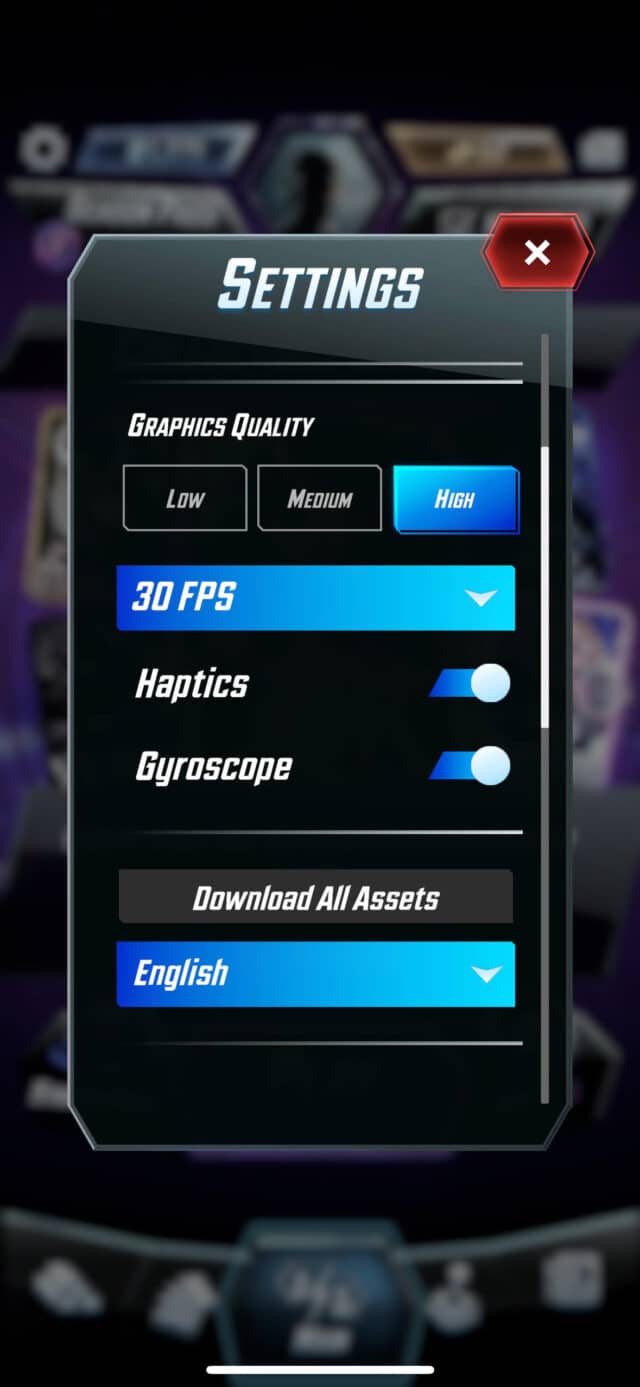
For example, 50% of the interviewed players asked for granularity in audio and video settings; this is due to needing to focus on one or the other, and typically for this was said in regard to audio specifically. Mobile games typically have the bare minimum for audio settings, such as “on/off”, or none at all and rely on the user’s choice of the phone’s master volume.
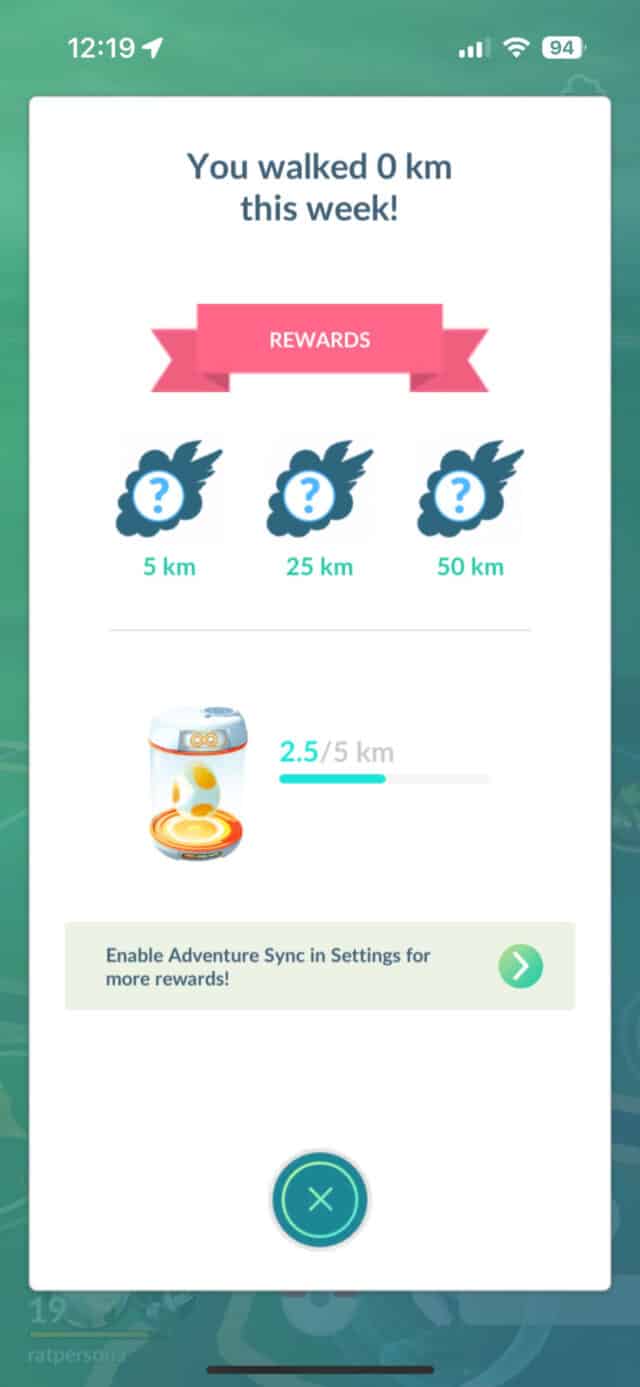
Players indicated that they wish they could adjust the noise pollution and make choices such as reducing, amplifying, or removing individual audio settings. In Pokémon Go, this might look like: Pokémon sounds, battle sounds, the music, game audio indicators, and other ambient noise. In its current state, players can adjust “music” or “sound”. These settings are not clear in what they adjust specifically, and they are very broad in what impact they have on play. Marvel Snap, another popular game mentioned by our participants, has a more granular experience than other options. This is a step in the right direction.
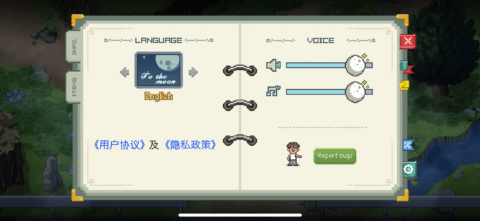
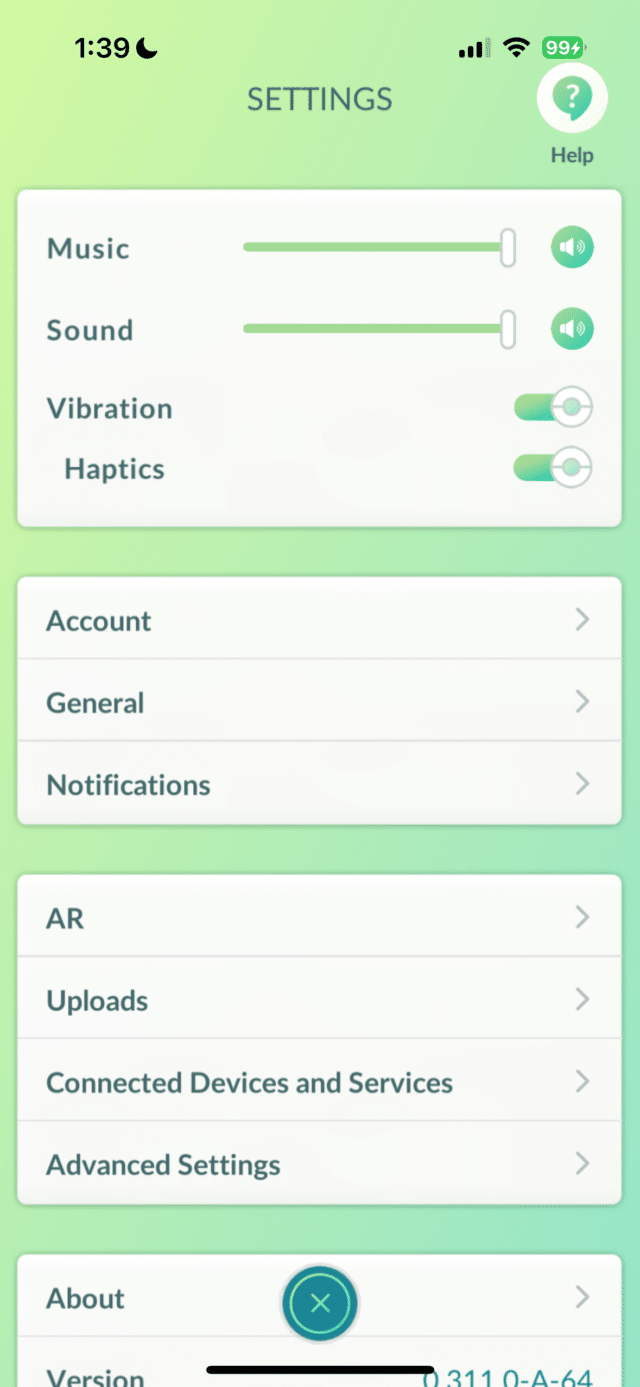
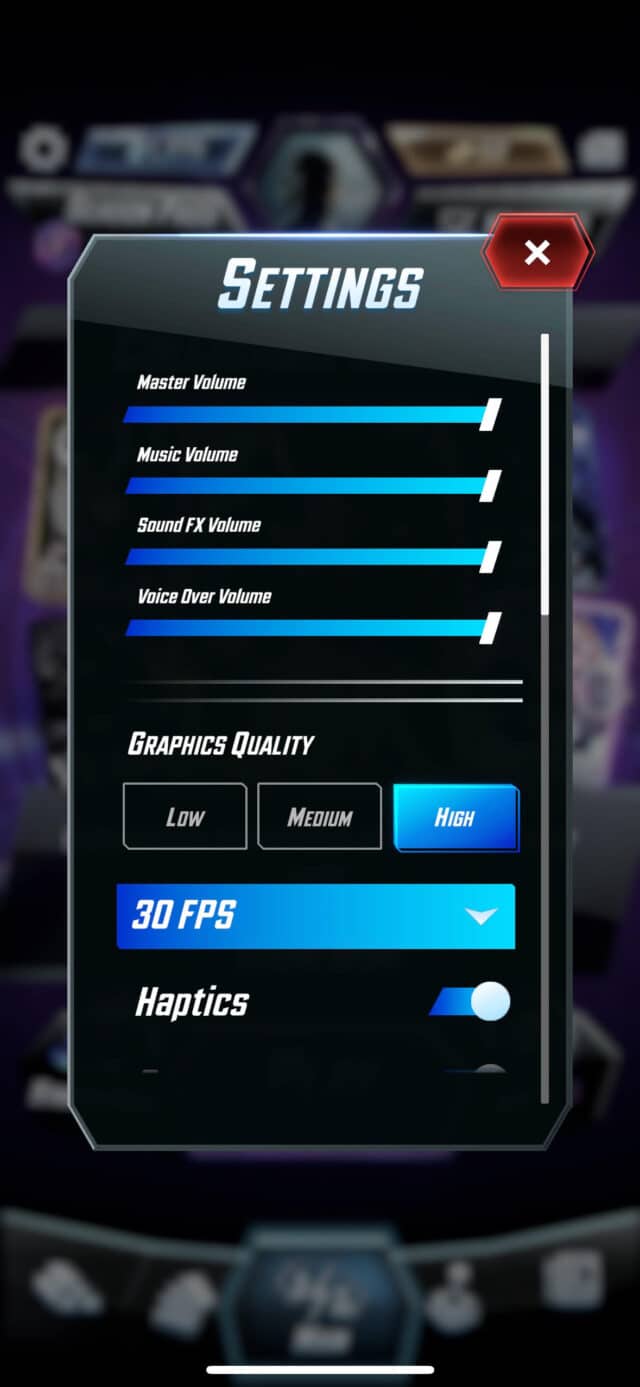
A big thing is having options that you can set ahead of time, not needing to do anything special to get to options, and where you know what types of choices you get ahead of time.
Mobile games seem to take an all-or-nothing approach most of the time. Players with all categories of disabilities represented in this study pool indicated that not only did they desire granularity, but also the option to change their settings to their needs before they even start playing the game.

Players expressed a great displeasure of mobile games relying on audio for any reason. While our participants admitted to enjoying games with great audio, they stated often they would need to remove the audio or turn off audio entirely.
Whether this is due to playing in public or, for many players, not being able to handle audio on a mobile game for sensory reasons, the results of the dislike of audio as a primary channel for any information had a broad range.
When we discuss a channel, we mean a way for the player to take information from the game in a visual, audio, or haptic sense.
I have auditory issues. […] So if it’s a game that kind of requires audio, I’m more likely not to to interact with it.
Players discussed with us the wish for more secondary ways of perceiving especially audio information, for example: directional captions for audio events in the game. Many stated that some games didn’t have captions or subtitles for story-based content, much less the extra step of visualized audio.

The ability to customize the game interface was by far one of the loudest asks players had in regard to creating an accessible experience.
From being able to determine where an on-screen joystick was per preference, adjusting colors for either colorblindess or for any other reason, adjusting HUD assets, and much more; there were so many requests and pleas from mobile gamers to incorporate additional options that many mobile titles do not offer.
Players stated if a game did not have an option they needed to change the interface, they would pursue third-party apps and installs (some from risky places) to get what they needed. Apps that changed screen color, allow for specific zoom preferences, provide avenues for different fonts or screen reading, and more were identified. However, because these are third-party they do not always function as intended with the game software and this causes problems in play that can also dramatically hinder the experience. It would be better for mobile titles to provide these in-game.
Additional Access Patterns
—

Players identified many instances of confusion or misunderstanding game cues because of audio, visual, or haptic interfering with each other. For example, the multitude of noises a game like Pokémon Go has can overlap and be easily misinterpreted, and for someone who relies on sound due to having low or no vision this is problematic. Introducing granular audio settings would solve this.

40% of the interviewed players indicated that they wished there was better support for peripherals or hardware they use for other gaming platforms on their mobile device. Among these were:
- Foot pedals
- Alternative controllers (support for bluetooth controllers)
- Consistent mouse and keyboard support
No, there’s not a whole lot of developed for mobile gaming peripherals

Players spoke about their need for peripherals in many instances, and creating flexibility in games.
Types of alternative or amplified outputs included:
- Lights indicating directional audio
- Second display screen to project onto
- 8bitdo Stand
Top 3 Challenge Patterns
Sorting through

Players showed a lot of enthusiasm toward games that provided an experience they could enjoy stress-free, especially because mobile gaming was for most interviewed users a way to relax on the go. For example, at a dentist appointment? You may not be able to bring your PlayStation there, but you can bring your phone!
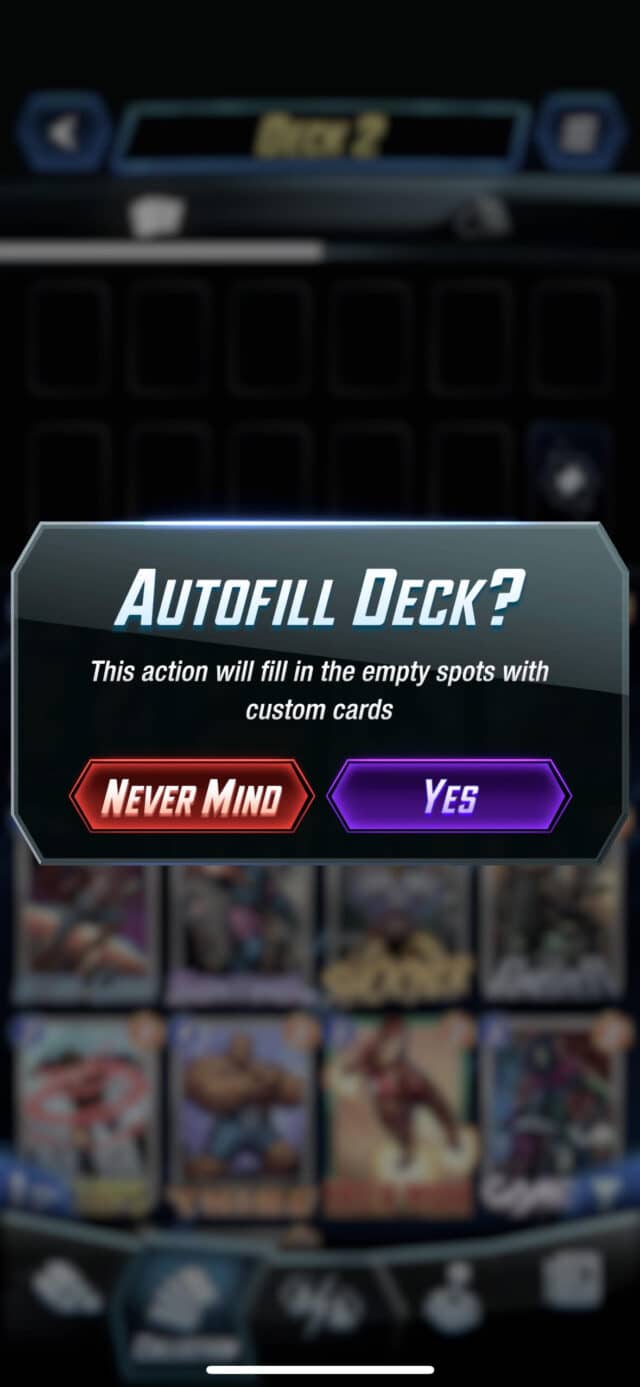
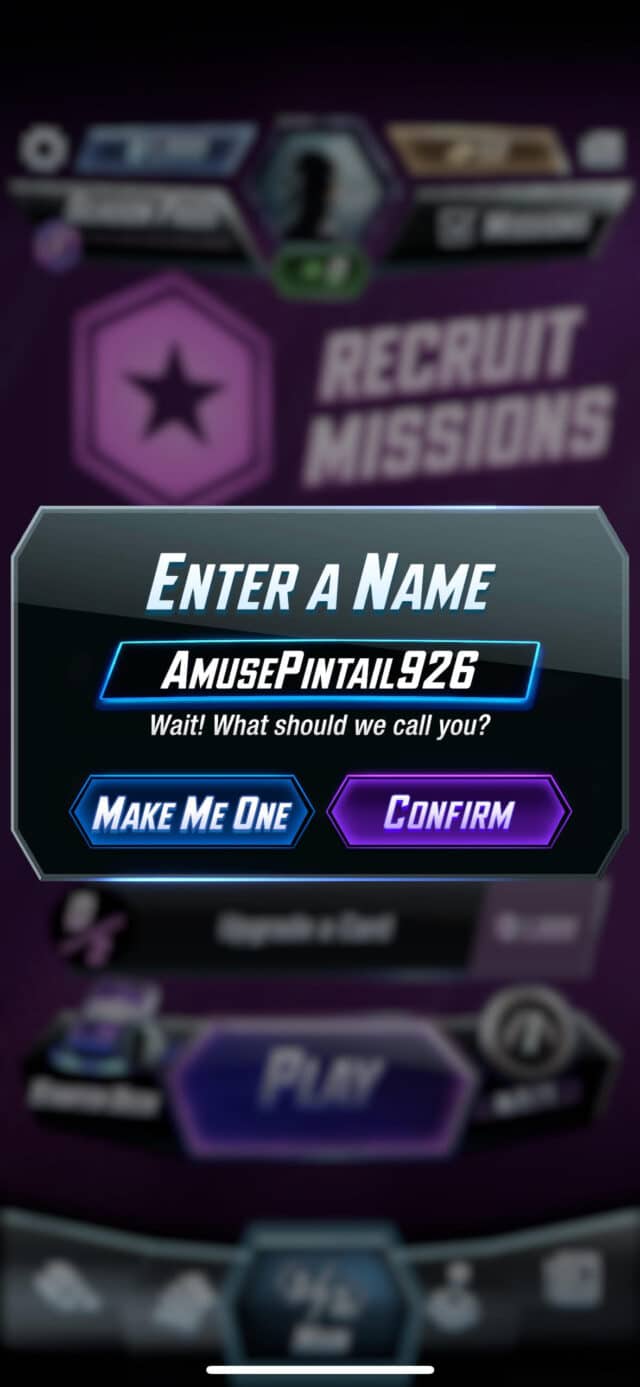
Games that provide players with assistance to work with them and complete their tasks were favored for this reason, such as idle games or card games. Marvel Snap, for example, has an automated deck-builder that builds a deck for players including their newest and recommended cards within their inventory. Players with cognitive and physical disabilities explained that features like this helped them avoid fatigue and cognitive overload, and allowed them to enjoy the game instead of stressing over building a deck. Marvel Snap also has other assists, such as helping the player select a name, showing the player what cards can be updated or improved, and suggesting strategies.
I’ve seen games where like there’s a like an auto accelerate for a driving game or something, so my finger [does not have] to stay on the gas.

While this pattern often addresses distressing emotional content, there are two factors to this when it comes to mobile gaming specifically. First, for the more traditional content, players are looking for the same moderation in their mobile games that they are in console games. The option to reduce content that triggers phobias or trauma is something players want control over.
So but it was this game called minute[…] I specifically remember in the settings on that game there was an option to change it to vegan, and I’m a vegan myself and I never seen that before; it blew me away.
However, in a more novel sense, players are also looking for games that do not rely on guilting them into playing or interacting with game content.
The obvious part of this is the ability to play a game without paying for things constantly through micro-transactions. Of course, in a perfect world we wouldn’t have to charge people to play mobile games, and while this is ideal players admitted they want the developers to make money. Many players who were loud about their dislike or inability to interact with microtransactions insisted they didn’t want games to be “free” because they wanted the devs to make money. However, they did voice concern over the toxic patterns that mobile games have in regard to microtransactions. All of the players in our interviews described a high level of anxiety with microtransactions, ranging from:
- Accidentally accepting transactions due to poor mobility/dexterity.
- Accidentally accepting transactions due to cognitive or learning disabilities inhibiting their reading comprehension.
- Feeling extreme guilt or stress from constant or consistent encouragement of microtransactions.
- The disappointment of not being able to interact with other players due to microtransactions.
- Frustration of finding an enjoyable game only to be presented with microtransactions they are unable to afford.
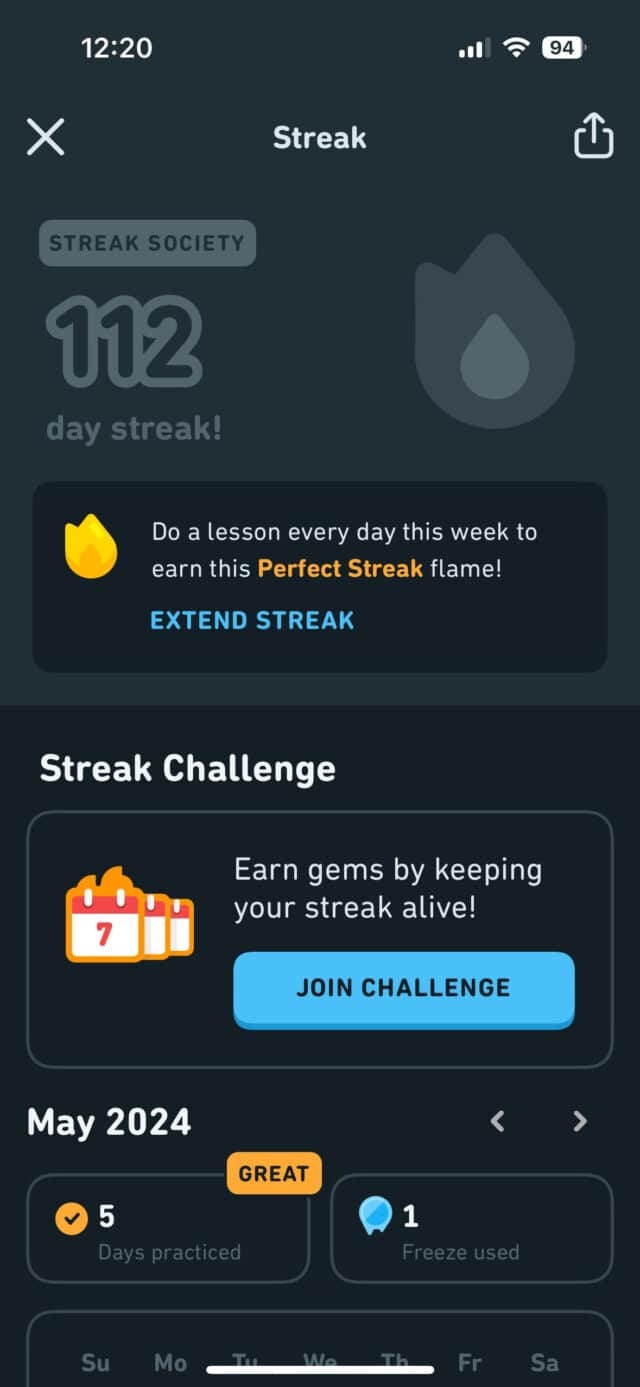
In addition, players also felt the need for moderation when it comes to check-ins and streaks. Many mobile games rely on streaks or check-ins to ensure returning players, and there are a lot of perks and rewards that come with these principles. However, for many players, this is an unrealistic expectation.
Players in our study with physical disabilities described how they could be in pain or have extreme discomfort and therefore cannot keep up with mobile game streaks or check ins.
So like if you miss a day on check in, it’s no big deal. You can, you know, you can make it up or, you know, like you end up getting diamonds and gems and things like that…Literally why I couldn’t come back to Animal Crossing because I was like I love Animal Crossing but if you tell me how many days I’m gone I’m just gonna jump out a window.
Players in our study with cognitive disabilities, mental health conditions, or other neurodiversities described being paralyzed or unable to return to a game they break a streak in because of the extreme mental anguish this causes. Check-ins prevented some of these players from returning to games simply because they miss out on content and are put at a disadvantage or are punished simply for not being able to check-in one or more days.
Yeah, like it was like a daily. I completed every test every day for like three and a half years, but then I got covid, and it made me break the streak and that feels bad. I never played again.


The participants of this study expressed that while they may not play mobile games directly with their friends all the time, the aspect of many mobile titles being able to challenge or otherwise interact with other players online was a big part of the draw to the games they liked.
Games like Yahtzee with Buddies and Marvel Snap are made with multiplayer capabilities in mind for players to challenge one another. If there was no other player at the end of a game, the players we interviewed said it wouldn’t be as much fun, and some said that the who reason they play certain games is the enjoyment of playing with others.
The biggest issue with multiplayer titles and players with disabilities is that players with disabilities may need additional accommodations in-game to play effectively, pain-free, and stress-free. For example, for some players, a short time limit on making a move might eliminate them from most matches due to lack of dexterity or decision paralysis. Our players said if there was a looming issue of time they would have to take more and longer breaks from playing these titles.
If there was a way to set up different lobby types in these games, players could match with others who have the same settings. For example, a longer time limit to choose your cards in Marvel Snap, or reduction of amount of tapping when battling someone in Pokémon Go.
Additional Challenge Patterns
Sorting through


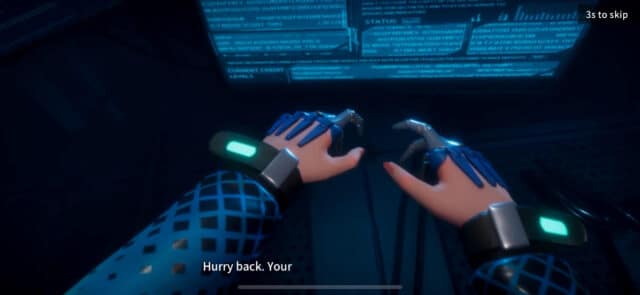
Similar to Helping Hand, players enjoy the automation of things like battles (in idle games especially) so they could enjoy watching the action progress without having to interact with the game constantly. For players who experience fatigue this is a godsend and one of their favorite ways to pass time.
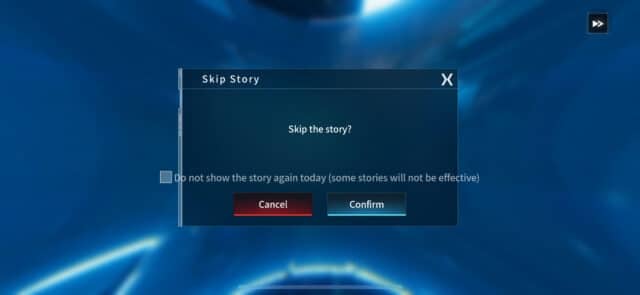
Being able to skip repetitive segments or cutscenes is also a great bypass feature.

Overall Takeaways
—
TITLE
—
Unless accessibility is baked in at the beginning, it is something that won’t work further down the line. It’ll make more work for the developers further down the line of the title. It’s won’t be what it could be.
—
I don’t know if you’ve experienced this, but sometimes the floating joystick is limited to the left half of the screen. And I am right-handed, my left hand is basically non-functional.
—
I really go for suggestions from friends, because I don’t trust things without knowing ahead of time whether it’ll work for me or not, which I think is also a pretty common disability experience
Coming soon!
If you’d like to be notified when part two is available, indicate your interest here:
Credits
—
Study conducted by:
AbleGamers User Research Team;

Samus Wolfe
Senior User Researcher

Jameil Johnson
Associate User Researcher
Resources
—
References:
https://www.statista.com/topics/2711/us-smartphone-market/#topicOverview
https://news.gallup.com/poll/393785/americans-close-wary-bond-smartphone.aspx